

International Conference on Rice Bran Oil 2026
Current Issues on Rice Bran Oil Production, Consumption, and Perspectives
International Association of Rice Bran Oil


ICRBO 2026 Photo Gallery
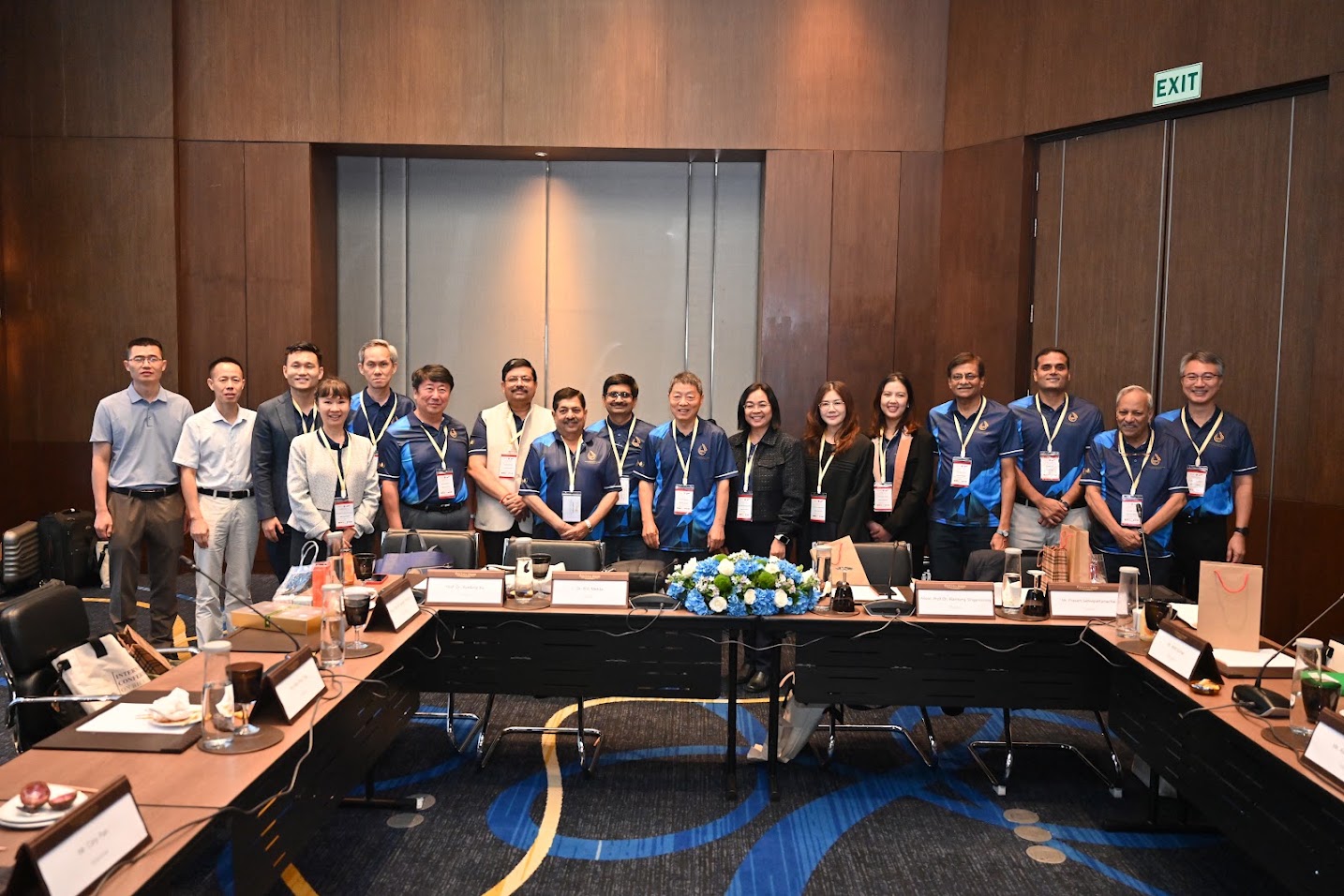
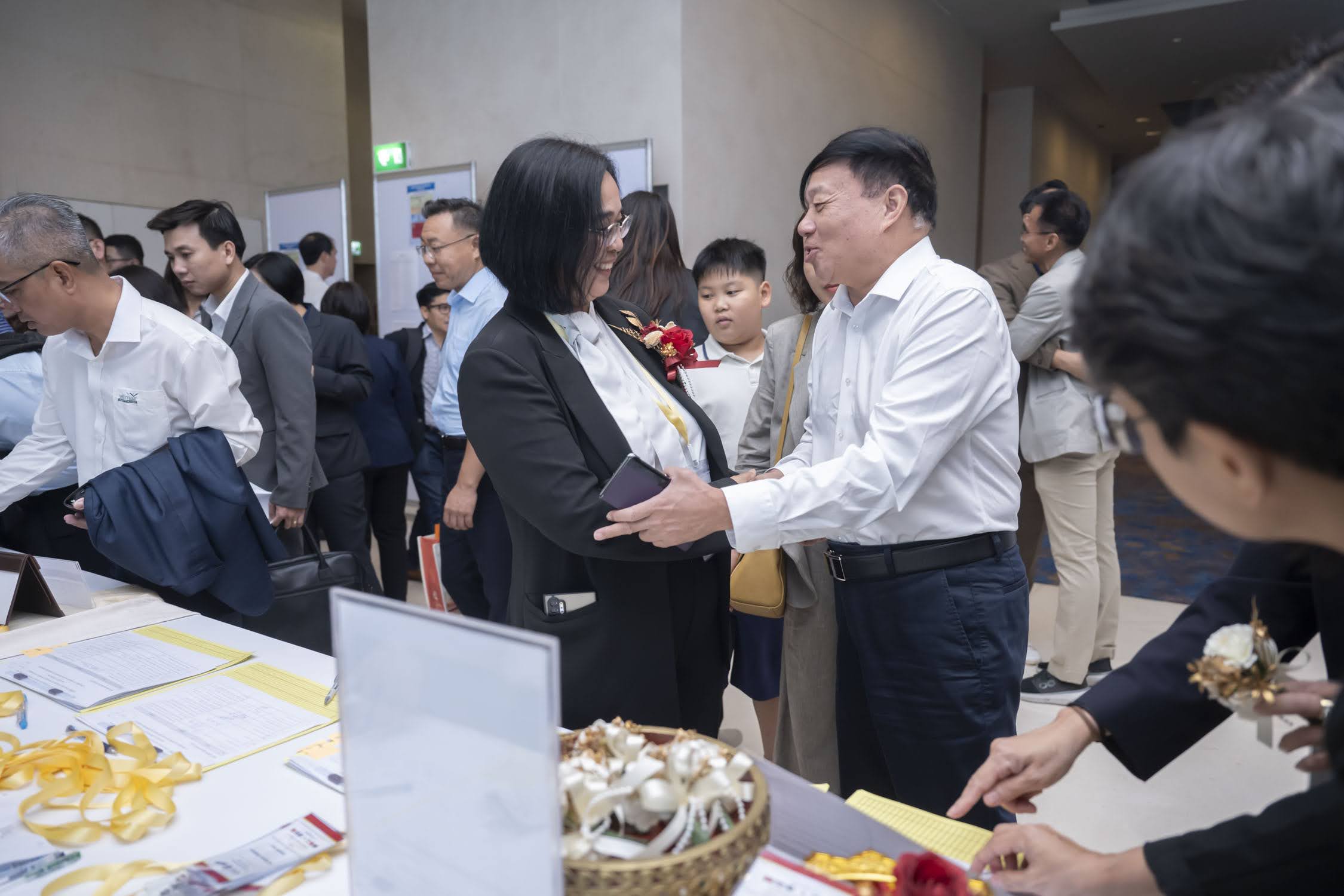
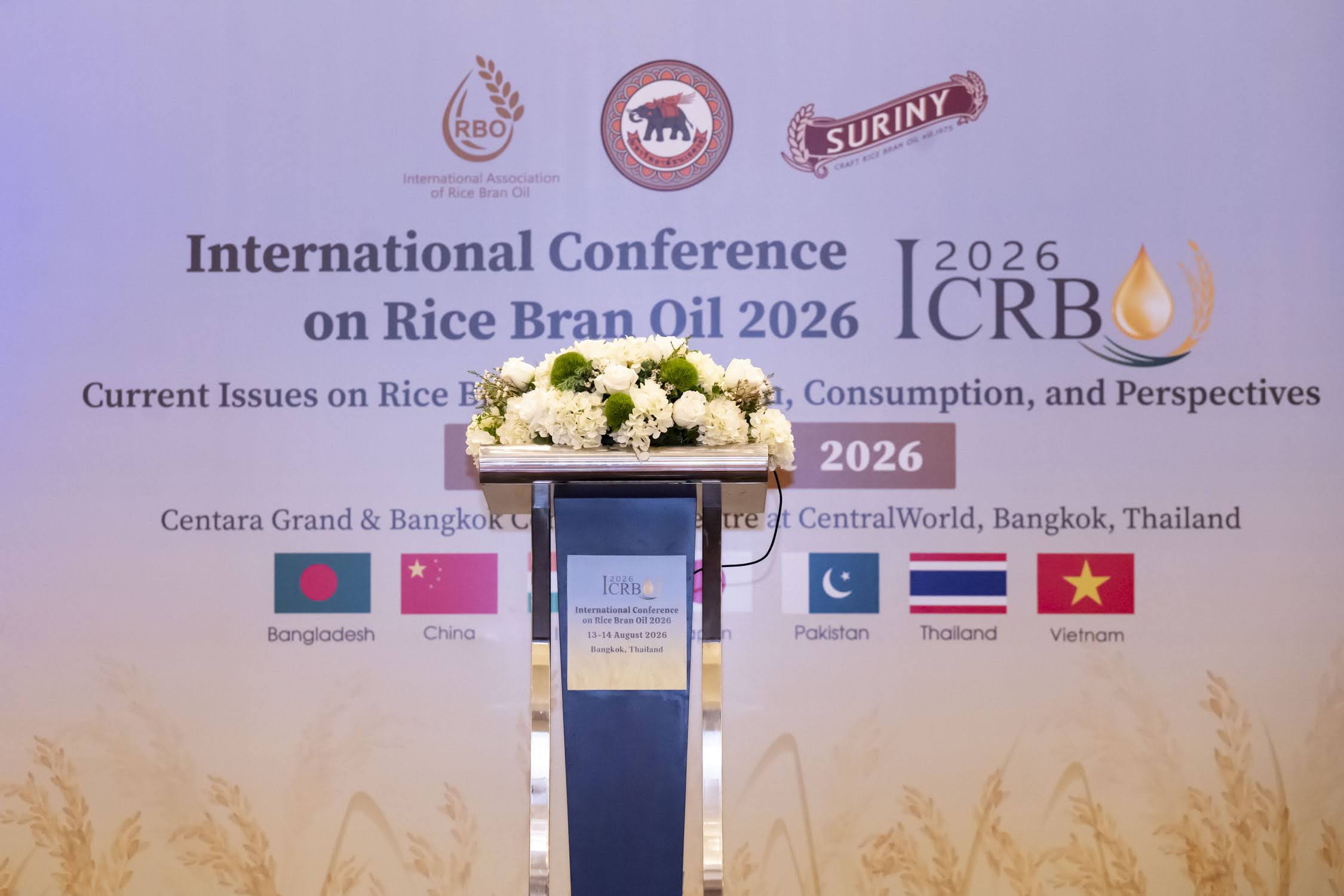
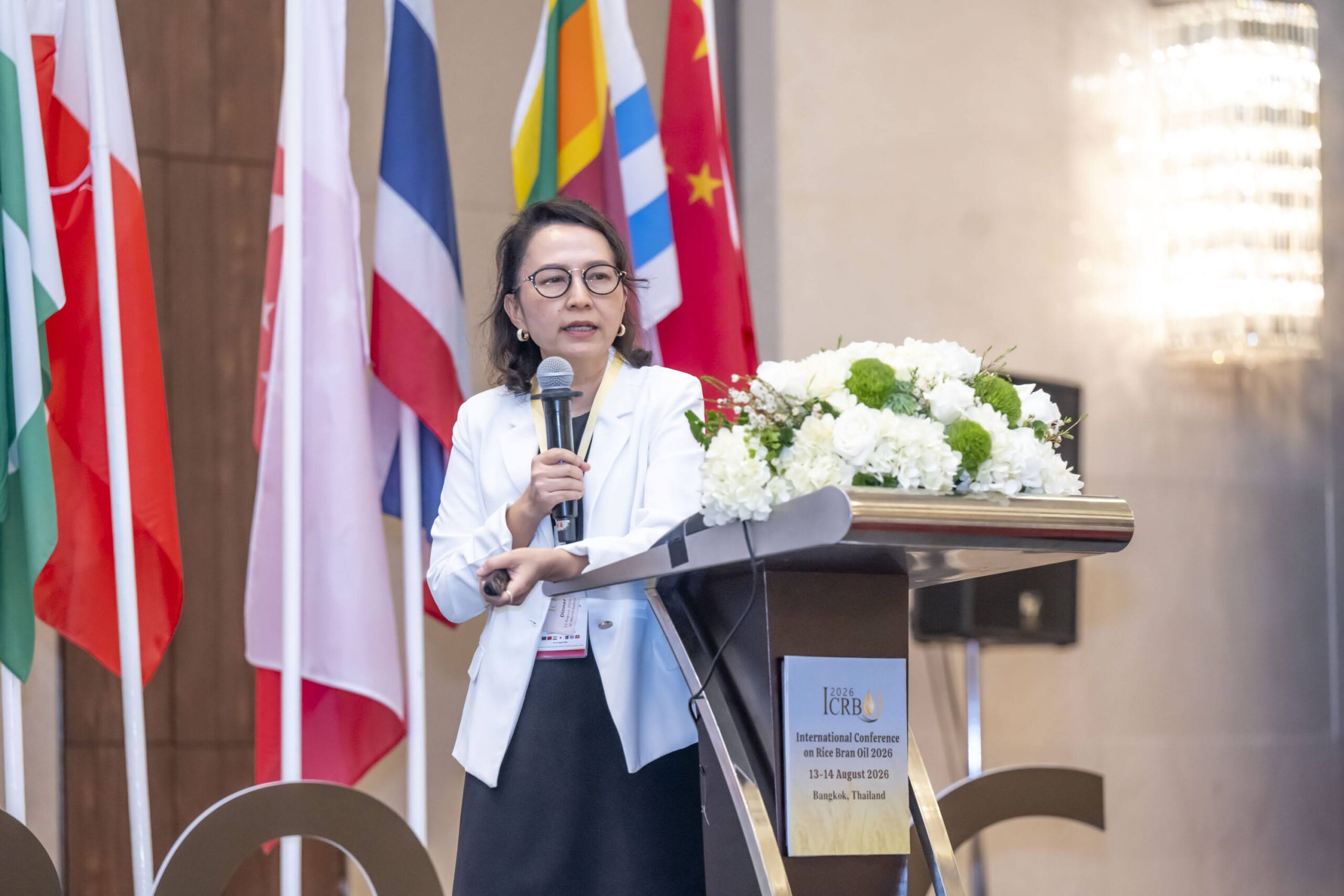

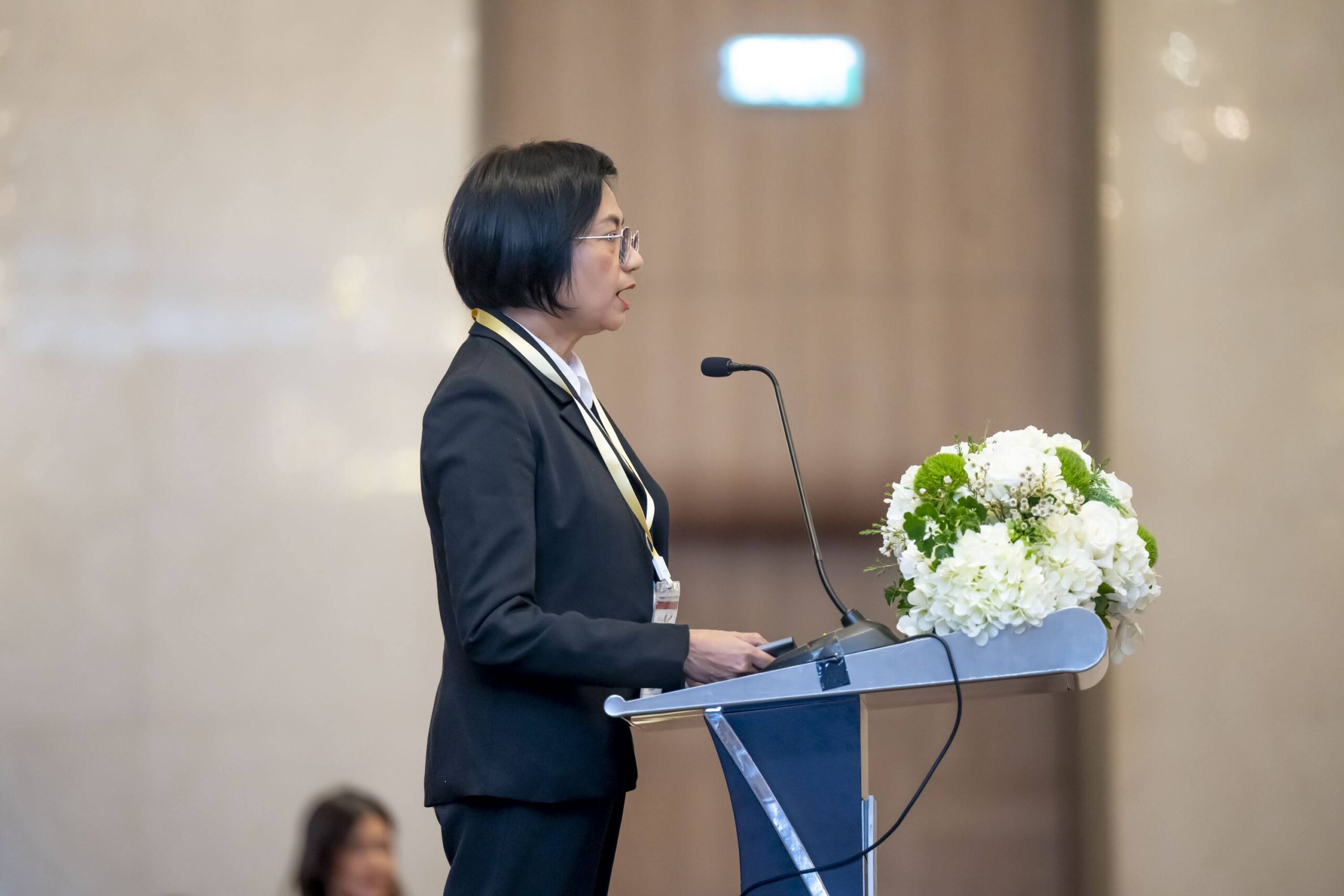
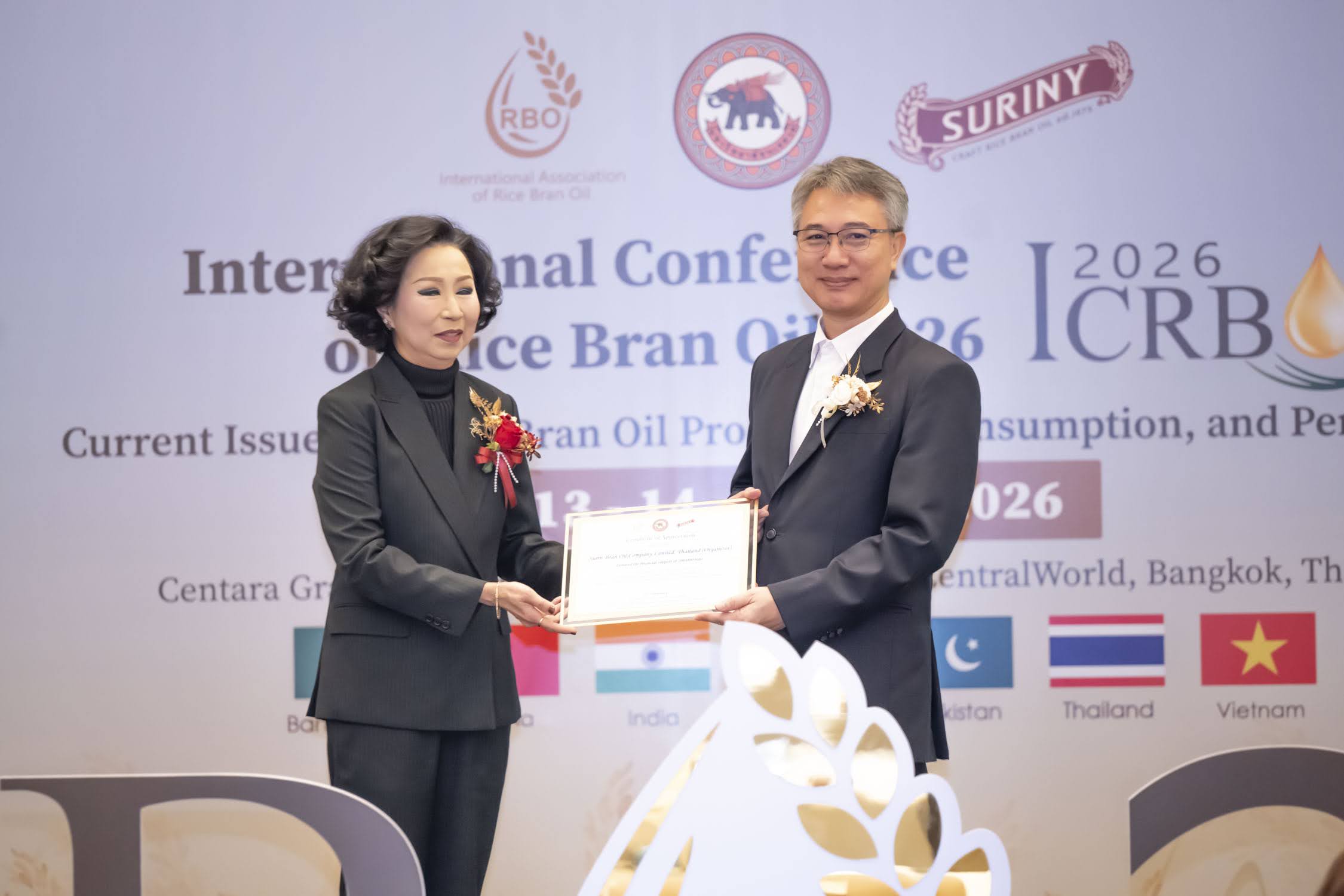
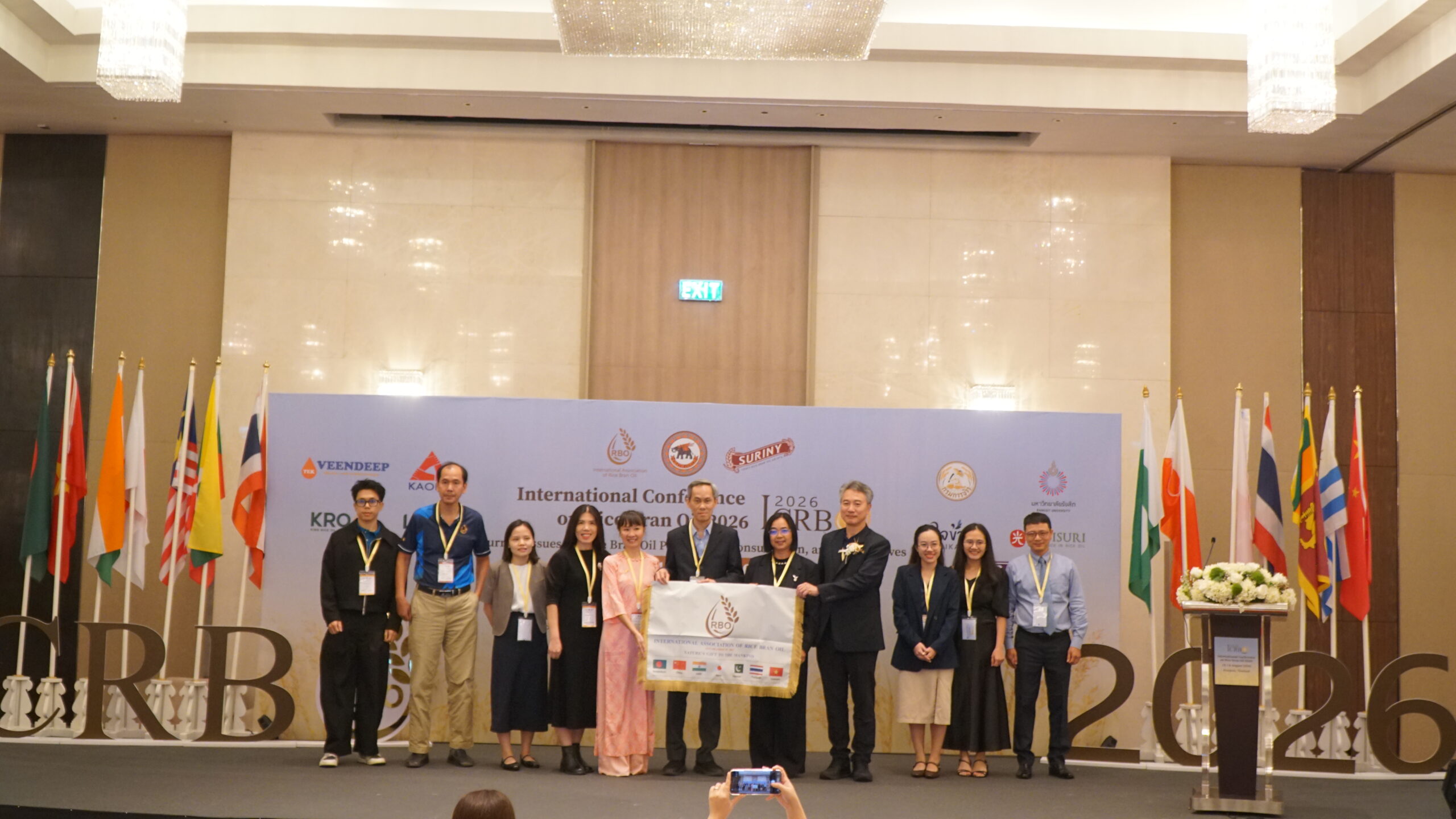
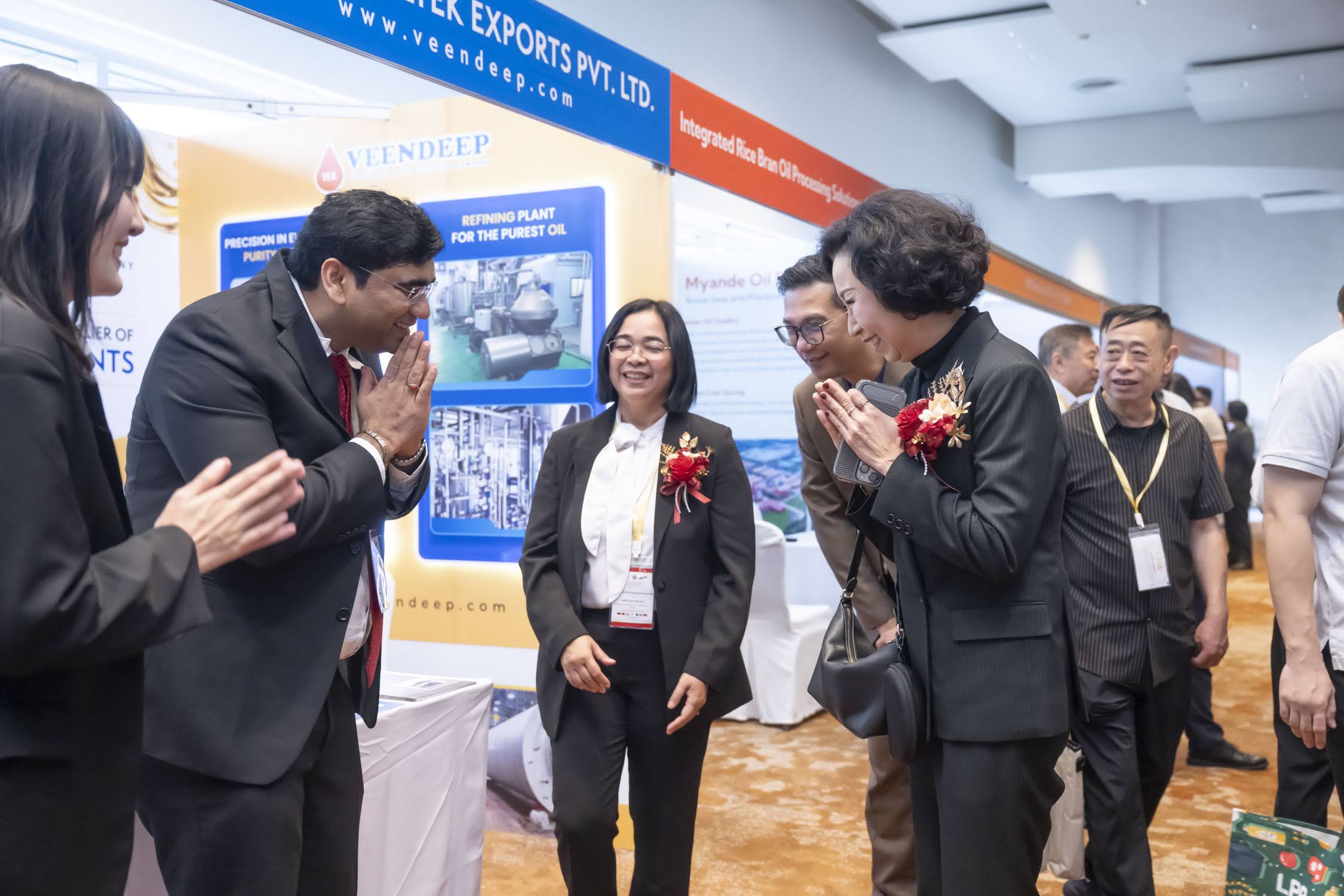
ICRBO 2013–2026
From Its Beginnings in Thailand to an International Academic Ecosystem for Rice Bran Oil
Dr. Jetsada Wichaphon, Asst. Prof. Dr. Worasit Tochampa, and Assoc. Prof. Dr. Riantong Singanusong
Department of Agro-Industry, Faculty of Agriculture, Natural Resources and Environment,
Naresuan University, Thailand
Viewed as a continuous sequence, the images from 2013 to 2026 represent far more than memories of conferences held in different years. Together, they document a shared journey among academics, entrepreneurs, and international partners who believe that rice bran – once regarded merely as a by-product of rice milling – can be transformed into a valuable resource for human health, economic development, and global society.
For more than a decade, through our work in initiating and pioneering the Centre of Excellence in Fats and Oils (COEFO), we have never viewed an academic conference as simply a gathering of experts delivering presentations. We believe that an academic platform should serve as an “intellectual infrastructure” that connects laboratory knowledge with the needs of the production sector and translates that knowledge into meaningful benefits for farmers, entrepreneurs, consumers, and society.
The ICRBO Journey Began in Thailand
In 2013, Naresuan University hosted “The 1st Thailand Conference on Fats and Oils: Roles of Rice Bran Oil and its Products in the Changing Asia” at Naresuan University in Phitsanulok, Thailand. The conference created a platform for knowledge exchange among academics, rice bran oil producers, rice mill operators, processors, and stakeholders throughout the value chain.
The most important outcome of that conference did not end with its closing ceremony. It was the collective agreement to establish the International Association of Rice Bran Oil (IARBO), together with a framework through which member countries would take turns hosting the International Conference on Rice Bran Oil (ICRBO).
From that point onward, the international network continued to grow.
- 2014 – Wuhan, China: The International Association of Rice Bran Oil was officially launched with five founding member countries: China, India, Japan, Thailand, and Vietnam. The 1st International Conference on Rice Bran Oil was held under the theme “Safety, Nutrition and Health,” establishing safety, nutrition, and health as the academic foundations of the network.
- 2015 – Mumbai, India: The 2nd International Conference on Rice Bran Oil was held under the theme “Position, Promotion and Prospect of Rice Bran Oil as a Health Oil in the World.” The conference expanded the discussion to the positioning, promotion, and future of rice bran oil as a healthy oil for global consumers, while connecting leading industry operators with the academic community.
- 2016 – Tokyo, Japan: The 3rd International Conference on Rice Bran Oil was held under the theme “Rice Bran Oil, its Global Impact on Nutrition and Industries.” It highlighted the global impact of rice bran oil on nutrition and industry while providing opportunities for research presentations and shared learning among young researchers, academics, and industry representatives.
- 2017 – Bangkok, Thailand: Thailand returned as host of the 4th International Conference on Rice Bran Oil under the theme “Rice Bran Oil Application: Pharma-Cosmetics, Nutraceuticals & Foods.” The conference expanded the application of rice bran oil beyond edible oil into foods, nutraceuticals, pharmaceutical and cosmetic products, and other health-related applications, demonstrating the tangible potential for creating greater value from rice bran.
- 2018 – Hanoi, Vietnam: The 5th International Conference on Rice Bran Oil was held under the theme “Rice Bran Oil – The World’s Premium Healthy Oil,” reflecting the advancement of rice bran oil from a national product toward recognition as a premium healthy oil for global consumers.
- 2019 – Guangzhou, China: The 6th International Conference on Rice Bran Oil was held under the theme “Rice Bran Oil: For a Healthier Life.” The conference reaffirmed the network’s shared commitment to applying science and technology to improve quality of life. Bangladesh and Pakistan joined the association, bringing IARBO’s membership to seven countries.
- 2023 – Hyderabad, India: Following a period of interruption in international activities, the 7th International Conference on Rice Bran Oil returned with renewed momentum under the theme “Promoting Rice Bran Oil – A Wonder Oil.” The conference expanded public communication about the benefits of rice bran oil and emphasized the importance of developing a sustainable production ecosystem.
- 2025 – Portland, Oregon, USA: The IARBO network connected with the AOCS Annual Meeting & Expo, one of the world’s leading scientific platforms for fats and oils. This represented another important milestone in extending the academic network beyond Asia.
- 2026 – Bangkok, Thailand: Thailand was once again honored to host the 8th International Conference on Rice Bran Oil under the theme “Current Issues on Rice Bran Oil Production, Consumption, and Perspectives.”
ICRBO 2026 covered knowledge across the entire value chain – from raw materials, rice bran stabilization, extraction and refining technologies, bioactive compounds and health-promoting properties, and utilization of non-oil fractions to advanced processing, quality and regulatory requirements, contaminants, sustainable technologies, consumer behavior, and future market perspectives.
Myanmar also joined the association as its newest member, bringing the total number of IARBO member countries to eight.
The Academic Framework That Has Guided ICRBO Consists of Four Essential Pillars
- Science-based knowledge – Using scientific evidence as the foundation for improving quality, safety, nutritional value, and the responsible communication of health benefits.
- Whole value-chain development – Viewing the rice bran oil industry as an integrated system, from rice and rice bran to milling, stabilization, extraction, refining, co-product utilization, markets, and consumers.
- International co-creation – Enabling academics and entrepreneurs from different countries to jointly identify challenges, exchange experiences, and develop solutions that can be implemented in practice.
- Knowledge to societal impact – Translating knowledge into technologies, products, standards, policy recommendations, and business opportunities that create value for society.
The participation of 316 academics and industry representatives from 13 countries – and the conference hall remaining full throughout both days of ICRBO 2026 – provided a compelling indication that the academic knowledge shared at the conference addressed the real needs of the rice bran oil industry and related sectors.
Entrepreneurs within this network did not participate merely as event sponsors. They served as “academic partners” who shared industrial experience, identified real production challenges, supported research, and helped translate knowledge into practical applications.
This is a genuine model of how internationally connected enterprises can contribute to society through science, knowledge sharing, and responsible collaboration.
Moving forward, rice-producing countries and relevant government agencies should work together to advance the rice bran oil industry systematically through supportive policies and research investment. Priorities should extend from raw-material research, production technologies, and safety standards to co-product utilization, consumer communication, and market development.
Such an integrated approach will ensure that the knowledge generated by this international community contributes simultaneously to industrial competitiveness, public health, and sustainability.
We would like to express our sincere appreciation to Naresuan University, the International Association of Rice Bran Oil, the co-organizers, sponsors, speakers, researchers, entrepreneurs, and delegates from every participating country.
Our appreciation also goes to the faculty members, staff, and organizing team from the Faculty of Agriculture, Natural Resources and Environment, Naresuan University, together with partner organizations and working teams from every contributing institution. Their dedication and collaboration made this international conference a complete success.
The journey captured in these images from 2013 to 2026 is therefore more than the history of a conference. It is the history of a shared belief, enduring collaboration, and the passing of knowledge from one generation to the next.
From a shared idea in Thailand to a global community.
Science • Industry • Health • Friendship
Assoc. Prof. Dr. Riantong Singanusong
President, International Association of Rice Bran Oil
Conference Chairman, ICRBO 2026
Initiator and Pioneer of the Centre of Excellence in Fats and Oils
Naresuan University
#ICRBO2026 #IARBO #RiceBranOil #AcademicToImpact #InternationalCollaboration #NaresuanUniversity
ICRBO 2013–2026 จากจุดเริ่มต้นในประเทศไทย สู่ระบบนิเวศวิชาการน้ำมันรำข้าวระดับนานาชาติ
ดร.เจษฎา วิชาพร ผศ.ดร.วรสิทธิ์ โทจำปา และ รศ.ดร.เหรียญทอง สิงห์จานุสงค์
ภาควิชาอุตสาหกรรมเกษตร คณะเกษตรศาสตร์ ทรัพยากรธรรมชาติและสิ่งแวดล้อม
มหาวิทยาลัยนเรศวร
เมื่อมองภาพเหตุการณ์ตั้งแต่ปี 2013 ถึง 2026 เรียงต่อกัน ภาพเหล่านี้มิได้เป็นเพียงความทรงจำของการประชุมในแต่ละปี แต่เป็นหลักฐานของการเดินทางร่วมกันระหว่างนักวิชาการ ผู้ประกอบการ และภาคีเครือข่ายนานาชาติ ซึ่งต่างเชื่อมั่นว่า “รำข้าว” ซึ่งครั้งหนึ่งเคยถูกมองเป็นเพียงผลพลอยได้จากการสีข้าว สามารถพัฒนาเป็นทรัพยากรที่มีคุณค่าต่อสุขภาพ เศรษฐกิจ และสังคมโลกได้
ตลอดเวลากว่า 10 ปีของการริเริ่มและบุกเบิกสถานวิจัยเพื่อความเป็นเลิศทางวิชาการด้านไขมันและน้ำมัน (Centre of Excellence in Fats and Oils: COEFO) พวกเรามิได้มองการจัดประชุมวิชาการเป็นเพียงการนำผู้เชี่ยวชาญมาบรรยายร่วมกัน แต่เห็นว่าเวทีวิชาการควรทำหน้าที่เป็น “โครงสร้างพื้นฐานทางปัญญา” ที่เชื่อมโยงความรู้จากห้องปฏิบัติการเข้ากับความต้องการของภาคการผลิต และนำไปสู่การเปลี่ยนแปลงที่เกิดประโยชน์ต่อเกษตรกร ผู้ประกอบการ ผู้บริโภค และสังคมอย่างแท้จริง
เส้นทางของ ICRBO เริ่มต้นขึ้นในประเทศไทย
ในปี 2013 มหาวิทยาลัยนเรศวรเป็นเจ้าภาพจัดงาน “The 1st Thailand Conference on Fats and Oils: Roles of Rice Bran Oil and its Products in the Changing Asia” ณ มหาวิทยาลัยนเรศวร จังหวัดพิษณุโลก เพื่อเปิดพื้นที่แลกเปลี่ยนความรู้ระหว่างนักวิชาการ ผู้ผลิตน้ำมันรำข้าว ผู้ประกอบการโรงสี ผู้แปรรูป และผู้เกี่ยวข้องตลอดห่วงโซ่คุณค่า
ผลลัพธ์สำคัญที่สุดของการประชุมครั้งนั้นมิได้สิ้นสุดลงพร้อมกับพิธีปิดงาน หากแต่เป็นข้อตกลงร่วมกันในการก่อตั้ง “สมาคมน้ำมันรำข้าวนานาชาติ” หรือ International Association of Rice Bran Oil (IARBO) พร้อมกำหนดแนวทางให้ประเทศสมาชิกร่วมกันหมุนเวียนเป็นเจ้าภาพจัด “การประชุมวิชาการน้ำมันรำข้าวนานาชาติ” หรือ International Conference on Rice Bran Oil (ICRBO)
จากนั้น เครือข่ายได้เติบโตอย่างต่อเนื่อง
• 2014 – Wuhan, China: การเปิดตัวสมาคมน้ำมันรำข้าวนานาชาติ หรือ IARBO อย่างเป็นทางการ โดยมีประเทศสมาชิกเริ่มต้น 5 ประเทศ ได้แก่ จีน อินเดีย ญี่ปุ่น ไทย และเวียดนาม พร้อมกับการจัดงาน 1st International Conference on Rice Bran Oil ภายใต้หัวข้อ “Safety, Nutrition and Health” ซึ่งวางความปลอดภัย โภชนาการ และสุขภาพให้เป็นรากฐานทางวิชาการของเครือข่าย
• 2015 – Mumbai, India: การประชุม 2nd International Conference on Rice Bran Oil ภายใต้หัวข้อ “Position, Promotion and Prospect of Rice Bran Oil as a Health Oil in the World” ขยายประเด็นสู่การวางตำแหน่ง การส่งเสริม และอนาคตของน้ำมันรำข้าวในฐานะน้ำมันเพื่อสุขภาพของโลก พร้อมเชื่อมโยงผู้ประกอบการรายสำคัญของอุตสาหกรรมเข้ากับเครือข่ายวิชาการ
• 2016 – Tokyo, Japan: การประชุม 3rd International Conference on Rice Bran Oil ภายใต้หัวข้อ “Rice Bran Oil, its Global Impact on Nutrition and Industries” เน้นผลกระทบของน้ำมันรำข้าวต่อโภชนาการและอุตสาหกรรมระดับโลก พร้อมเปิดพื้นที่ให้มีการนำเสนอผลงานวิจัย และสร้างโอกาสให้นักวิจัยรุ่นใหม่กับภาคอุตสาหกรรมได้เรียนรู้ร่วมกัน
• 2017 – Bangkok, Thailand: ประเทศไทยกลับมาเป็นเจ้าภาพจัดการประชุม 4th International Conference on Rice Bran Oil ภายใต้หัวข้อ “Rice Bran Oil Application: Pharma-Cosmetics, Nutraceuticals & Foods” โดยขยายองค์ความรู้จากน้ำมันบริโภคไปสู่การประยุกต์ใช้ในอาหาร ผลิตภัณฑ์เสริมอาหาร เวชสำอาง และผลิตภัณฑ์สุขภาพ แสดงให้เห็นถึงศักยภาพการสร้างมูลค่าเพิ่มจากรำข้าวอย่างเป็นรูปธรรม
• 2018 – Hanoi, Vietnam: การประชุม 5th International Conference on Rice Bran Oil ภายใต้หัวข้อ “Rice Bran Oil – The World’s Premium Healthy Oil” สะท้อนการยกระดับน้ำมันรำข้าวจากผลิตภัณฑ์ระดับประเทศไปสู่การเป็นผลิตภัณฑ์น้ำมันเพื่อสุขภาพระดับพรีเมียมของโลก
• 2019 – Guangzhou, China: การประชุม 6th International Conference on Rice Bran Oil ภายใต้หัวข้อ “Rice Bran Oil: For a Healthier Life” ตอกย้ำเป้าหมายร่วมกันในการใช้วิทยาศาสตร์และเทคโนโลยีเพื่อสร้างคุณภาพชีวิตที่ดีขึ้น ในปีนี้ บังคลาเทศและปากีสถานได้เข้าร่วมเป็นสมาชิกเพิ่มเติม ส่งผลให้สมาคมน้ำมันรำข้าวนานาชาติมีประเทศสมาชิกรวม 7 ประเทศ
• 2023 – Hyderabad, India: หลังช่วงเว้นวรรคของเวทีนานาชาติ การประชุม 7th International Conference on Rice Bran Oil กลับมาอย่างเข้มแข็งภายใต้หัวข้อ “Promoting Rice Bran Oil – A Wonder Oil” พร้อมขยายการสื่อสารคุณประโยชน์ของน้ำมันรำข้าวสู่สาธารณะ และให้ความสำคัญกับการพัฒนาระบบนิเวศการผลิตอย่างยั่งยืน
• 2025 – Portland, Oregon, USA: เครือข่าย IARBO เชื่อมโยงเข้าสู่เวที AOCS Annual Meeting & Expo ซึ่งเป็นเวทีสำคัญด้านไขมันและน้ำมันระดับโลก นับเป็นอีกหนึ่งหมุดหมายสำคัญของการขยายเครือข่ายวิชาการออกไปนอกภูมิภาคเอเชีย
• 2026 – Bangkok, Thailand: ประเทศไทยได้รับเกียรติให้กลับมาเป็นเจ้าภาพจัดการประชุม 8th International Conference on Rice Bran Oil ภายใต้หัวข้อ “Current Issues on Rice Bran Oil Production, Consumption, and Perspectives”
ICRBO 2026 ครอบคลุมองค์ความรู้ตลอดทั้งห่วงโซ่ ตั้งแต่วัตถุดิบ การรักษาเสถียรภาพของรำข้าว เทคโนโลยีการสกัดและการกลั่น สารออกฤทธิ์ทางชีวภาพและคุณประโยชน์ต่อสุขภาพ การใช้ประโยชน์จากองค์ประกอบส่วนที่ไม่ใช่น้ำมัน การแปรรูปเชิงลึก คุณภาพและกฎระเบียบ สารปนเปื้อน เทคโนโลยีที่ยั่งยืน ตลอดจนพฤติกรรมผู้บริโภคและทิศทางตลาดในอนาคต
นอกจากนี้ เมียนมายังได้เข้าร่วมเป็นประเทศสมาชิกลำดับล่าสุด ส่งผลให้สมาคมน้ำมันรำข้าวนานาชาติมีประเทศสมาชิกรวม 8 ประเทศ
กรอบวิชาการที่ ICRBO ยึดถือมาตลอด ประกอบด้วย 4 ส่วนสำคัญ
1. Science-based knowledge – ใช้หลักฐานทางวิทยาศาสตร์เป็นฐานในการพัฒนาคุณภาพ ความปลอดภัย คุณค่าทางโภชนาการ และการสื่อสารประโยชน์ต่อสุขภาพอย่างรับผิดชอบ
2. Whole value-chain development – มองอุตสาหกรรมน้ำมันรำข้าวอย่างเป็นระบบ ตั้งแต่ข้าว รำข้าว โรงสี การรักษาเสถียรภาพ การสกัด การกลั่น การใช้ประโยชน์จากผลพลอยได้ ไปจนถึงตลาดและผู้บริโภค
3. International co-creation – เปิดโอกาสให้นักวิชาการและผู้ประกอบการจากแต่ละประเทศร่วมกันตั้งคำถาม แลกเปลี่ยนประสบการณ์ และพัฒนาคำตอบที่สามารถนำไปใช้ได้จริง
4. Knowledge to societal impact – เปลี่ยนองค์ความรู้ให้เป็นเทคโนโลยี ผลิตภัณฑ์ มาตรฐาน ข้อเสนอเชิงนโยบาย และโอกาสทางธุรกิจที่สร้างคุณค่ากลับคืนสู่สังคม
การที่ผู้ประกอบการและนักวิชาการรวม 316 คน จาก 13 ประเทศทั่วโลก เข้าร่วมแลกเปลี่ยนความรู้ตลอดทั้งสองวันของงาน ICRBO 2026 และห้องประชุมเต็มอย่างต่อเนื่อง เป็นตัวชี้วัดสำคัญว่าเนื้อหาวิชาการที่นำมาแบ่งปันสามารถตอบโจทย์ความต้องการจริงของอุตสาหกรรมน้ำมันรำข้าวและอุตสาหกรรมที่เกี่ยวข้อง
ผู้ประกอบการในเครือข่ายนี้มิได้ทำหน้าที่เพียงเป็นผู้สนับสนุนการจัดงาน แต่ยังเป็น “หุ้นส่วนทางวิชาการ” ที่ร่วมถ่ายทอดประสบการณ์ เปิดเผยโจทย์จากกระบวนการผลิต สนับสนุนการวิจัย และผลักดันองค์ความรู้ไปสู่การใช้ประโยชน์จริง นี่จึงเป็นแบบอย่างของการดำเนินธุรกิจเพื่อสังคมในระดับนานาชาติอย่างแท้จริง
จากนี้ไป ประเทศผู้ผลิตข้าวและหน่วยงานภาครัฐที่เกี่ยวข้องควรร่วมกันผลักดันอุตสาหกรรมน้ำมันรำข้าวอย่างเป็นระบบ ผ่านนโยบายและการสนับสนุนการวิจัย ตั้งแต่งานวิจัยด้านวัตถุดิบ เทคโนโลยีการผลิต มาตรฐานความปลอดภัย การใช้ประโยชน์จากผลพลอยได้ การสื่อสารกับผู้บริโภค ไปจนถึงการพัฒนาตลาด เพื่อให้องค์ความรู้ที่เกิดขึ้นสามารถยกระดับความสามารถในการแข่งขัน ควบคู่ไปกับการสร้างเสริมสุขภาพและความยั่งยืน
พวกเราขอขอบคุณมหาวิทยาลัยนเรศวร สมาคมน้ำมันรำข้าวนานาชาติ ผู้ร่วมจัดงาน ผู้สนับสนุน วิทยากร นักวิจัย ผู้ประกอบการ และผู้เข้าร่วมงานจากทุกประเทศ รวมถึงคณาจารย์ เจ้าหน้าที่ และทีมงานจากคณะเกษตรศาสตร์ ทรัพยากรธรรมชาติและสิ่งแวดล้อม มหาวิทยาลัยนเรศวร ตลอดจนภาคีเครือข่ายและคณะทำงานจากทุกหน่วยงาน ซึ่งได้ทุ่มเทและร่วมมือกันทำให้งานประชุมวิชาการระดับนานาชาติครั้งนี้สำเร็จอย่างสมบูรณ์
ภาพตลอดเส้นทางจากปี 2013 ถึง 2026 จึงมิใช่เพียงประวัติของการประชุม แต่คือประวัติของความเชื่อมั่น ความร่วมมือ และการส่งต่อองค์ความรู้จากรุ่นสู่รุ่น
From a shared idea in Thailand to a global community.
Science • Industry • Health • Friendship
รศ.ดร.เหรียญทอง สิงห์จานุสงค์
President, International Association of Rice Bran Oil
Conference Chairman, ICRBO 2026
ผู้ริเริ่มและบุกเบิกสถานวิจัยเพื่อความเป็นเลิศทางวิชาการด้านไขมันและน้ำมัน
มหาวิทยาลัยนเรศวร
#ICRBO2026 #IARBO #RiceBranOil #AcademicToImpact #InternationalCollaboration #NaresuanUniversity
Executive Summary: ICRBO 2026
From a Single Grain of Rice to Global Opportunities in Health, Technology, Standards, and Sustainable Growth
Dr. Jetsada Wichaphon, Asst. Prof. Dr. Worasit Tochampa, and Assoc. Prof. Dr. Riantong Singanusong
Department of Agro-Industry, Faculty of Agriculture, Natural Resources and Environment,
Naresuan University, Thailand
The International Conference on Rice Bran Oil 2026 or ICRBO 2026 was held under the theme Current Issues on Rice Bran Oil Production, Consumption, and Perspectives.
The conference moved well beyond viewing rice bran oil merely as a healthy cooking oil. It presented the industry as an interconnected ecosystem encompassing raw materials, processing technologies, bioactive compounds and health-related properties, co-product utilization, food safety, analytical standards, consumer behavior, and future market development.
The plenary and keynote lectures established the scientific and industrial context of the conference. Topics included current production challenges and technological advances, oxidative stability, the absorption and metabolism of g-oryzanol, its potential physiological effects, and the experience of developing a rice bran oil market in Poland.
These perspectives were further developed through seven interconnected academic sessions covering the entire rice bran oil value chain.
Session 1: Country Reports: Understanding Rice Bran Oil in Different National Contexts
Representatives from Bangladesh, China, India, Pakistan, Thailand, and Vietnam shared updates on their respective rice bran oil sectors, including raw-material availability, production capacity, technologies, consumption patterns, market conditions, and country-specific challenges.
Although these countries share rice bran as a common agricultural resource, their production systems, regulatory environments, technological readiness, and consumer markets differ considerably.
There is therefore no single solution that can be applied uniformly across all countries. Future progress will require international data sharing, technology transfer, regulatory dialogue, and the development of standards that enable national industries to connect and compete internationally.
Session 2: Marketing and Business Opportunities: Science Must Reach the Consumer
A scientifically sound product may still struggle in the market if consumers do not understand its value or cannot distinguish it from other edible oils.
Industry representatives from China, India, and Thailand exchanged perspectives on product positioning, market development, consumer communication, distribution channels, and emerging business opportunities. The keynote lecture on the Polish market demonstrated that rice bran oil has opportunities beyond Asia when supported by credible evidence, reliable quality, food safety, and effective communication.
The critical question is therefore no longer only, “How can rice bran oil be produced?” It must also include, “How can its value be communicated in a way that consumers can understand and trust?”
Session 3: Functional and Health-Promoting Properties: From Healthy Oil to High-Value Bioactive Compounds and Co-Products
This session explored the functional potential of rice bran and rice bran oil co-products. Presentations included research on g-oryzanol in relation to biological mechanisms associated with depression, the development of policosanols as functional ingredients, and the utilization of rice bran oil co-products in frozen dough, meat analogues, and other emerging food applications.
These studies demonstrate that the value of rice bran does not end after the oil has been extracted. The remaining fractions may be developed into food ingredients, dietary supplements, functional components, and other high-value products.
At the same time, health-related communication must remain evidence-based and responsible. It is essential to distinguish between promising findings from laboratory or preliminary research and health effects that have been sufficiently demonstrated in humans.
The session also addressed cogeneration and trigeneration systems, illustrating how more efficient energy utilization can simultaneously reduce production costs and the environmental footprint of rice bran oil processing.
Session 4: Innovative Processing and Engineering: Technologies That Must Deliver Quality, Efficiency, and Commercial Feasibility
This session covered core processing technologies and engineering instrumentation for rice bran oil and co-product production, the valorization of by-products generated during refining, and the use of microwave treatment to improve the chemical properties of rice bran oil.
The purpose of process innovation is not simply to increase oil yield. New technologies must also preserve valuable compounds, minimize quality deterioration, reduce energy consumption and waste, and be economically scalable from laboratory research to industrial production.
This is an area in which scientific research, engineering expertise, and practical industry experience must work closely together.
Session 5: Non-Oil Fractions: The Next Major Source of Value May Be What Remains After Oil Extraction
This session expanded the discussion from “rice bran oil” to the utilization of “the whole rice bran.”
Topics included the extraction and purification of phytochemicals, the development of rice bran fiber and protein as valuable food ingredients and supplements, the upgrading of defatted rice bran, and the development of rice bran-derived ceramides as functional sphingolipids.
Rice bran, once regarded primarily as a milling by-product, can potentially be separated into several high-value fractions, including:
– Premium edible oil
– Bioactive compounds
– Dietary fiber
– Protein ingredients
– Phytochemicals
– Ceramides and other health-related components
This approach represents a transition from producing a single commodity toward an integrated biorefinery model that maximizes the value of every fraction while minimizing material loss.
Session 6: Production, Quality, and Regulatory Aspects: Without Reliable Analysis, International Competitiveness Is Difficult to Achieve
This session addressed issues that directly affect consumer safety, regulatory compliance, export readiness, and international competitiveness.
The presentations covered the influence of rice breeding on the rice bran oil industry, updated regulations concerning contaminants in food and feed; particularly Mineral Oil Saturated Hydrocarbons (MOSH) and Mineral Oil Aromatic Hydrocarbons (MOAH); and strategies for reducing 3-MCPD esters and Glycidyl Esters (GE), during oil processing.
An advanced cryogen-free comprehensive two-dimensional gas chromatography technique, or GC×GC, with high-temperature and backflush capabilities was also presented as an analytical approach for screening mineral oil hydrocarbons in rice bran oil.
Although these subjects may appear highly technical, they have direct consequences for market access. If a country wishes to export rice bran oil to markets with stringent safety requirements, it must simultaneously develop:
– Accurate and internationally recognized analytical methods
– Competent and quality-assured laboratories
– Reference materials and robust quality-control systems
– Occurrence data obtained from actual products and production chains
– A clear understanding of importing-country regulations
– Processing technologies capable of preventing or reducing contaminants at their sources
Analytical standards are therefore not merely laboratory matters. They are part of the essential infrastructure required for international trade and industrial competitiveness.
Session 7: Sustainable Technologies and Future Perspectives: Sustainability Must Be Achieved in the Factory, the Market, and the Use of Resources
The final session connected refining technologies with hazardous-substance control, energy and cost efficiency, sustainable process development, and the culinary value of rice bran oil in Asian cuisine.
The presentation titled The Secret in Rice Bran highlighted the many valuable components and development opportunities that may still be discovered within rice bran. Meanwhile, the use of databases and artificial intelligence to evaluate rice bran oil research, products, and markets across Asia reflected an emerging shift toward data-driven industrial decision-making.
In this context, sustainability extends beyond environmental considerations. It must encompass:
– Efficient and responsible resource utilization
– Reduced energy consumption, waste, and hazardous substances
– Economic feasibility
– Consumer safety
– Markets that can remain viable over the long term
The Integrated Message from All Seven Sessions
The academic content of ICRBO 2026 clearly demonstrated that the future of the rice bran oil industry does not depend on any single factor. Progress must take place across the entire value chain:
Rice varieties and raw materials → rice bran stabilization → extraction and refining → preservation of bioactive compounds → contaminant control → co-product utilization → quality assurance → consumer communication → market development
For Thailand, with its rice-production base, scientific expertise, industrial experience, and established rice bran oil sector, the opportunity is not simply to produce more oil.
The greater opportunity is to develop rice bran oil into a high-quality, evidence-supported product that can be verified through internationally accepted analytical standards, utilize every fraction of rice bran more effectively, and compete through value rather than price alone.
The outcomes of this conference should therefore extend beyond academic presentations and conference proceedings. They should lead to concrete collaboration among researchers, industry operators, analytical laboratories, regulatory authorities, and government agencies responsible for research, agriculture, public health, industry, and trade.
Scientific knowledge creates its greatest value when it can be transformed into technologies, products, analytical standards, policy actions, business opportunities, and measurable benefits for consumers, farmers, industry, and society.
Rice bran is no longer merely a by-product.
It is a platform for science, health, innovation, and sustainable growth.
#ICRBO2026 #IARBO #RiceBranOil #FoodScience #FoodInnovation #FoodSafety #AnalyticalStandards #Sustainability #AcademicToImpact
Executive Summary: ICRBO 2026
จากรำข้าวหนึ่งเมล็ด สู่สุขภาพ เทคโนโลยี มาตรฐาน และโอกาสทางเศรษฐกิจระดับโลก
ดร.เจษฎา วิชาพร ผศ.ดร.วรสิทธิ์ โทจำปา และ รศ.ดร.เหรียญทอง สิงห์จานุสงค์
ภาควิชาอุตสาหกรรมเกษตร คณะเกษตรศาสตร์ ทรัพยากรธรรมชาติและสิ่งแวดล้อม
มหาวิทยาลัยนเรศวร
การประชุมวิชาการน้ำมันรำข้าวนานาชาติ ICRBO 2026 ภายใต้หัวข้อ Current Issues on Rice Bran Oil Production, Consumption, and Perspectives
มิได้กล่าวถึงน้ำมันรำข้าวเพียงในฐานะ “น้ำมันปรุงอาหารเพื่อสุขภาพ” เท่านั้น แต่ได้นำเสนอภาพของอุตสาหกรรมน้ำมันรำข้าวทั้งระบบ ตั้งแต่วัตถุดิบ กระบวนการผลิต คุณประโยชน์ต่อสุขภาพ การใช้ประโยชน์จากผลพลอยได้ มาตรฐานความปลอดภัย ไปจนถึงพฤติกรรมผู้บริโภคและทิศทางตลาดในอนาคต
การบรรยาย Plenary และ Keynote ได้วางกรอบสำคัญให้กับการประชุม ตั้งแต่ความท้าทายในการผลิตและความก้าวหน้าทางเทคโนโลยี ความคงตัวต่อการเกิดออกซิเดชัน การดูดซึมและเมแทบอลิซึมของแกมมา- ออไรซานอล ตลอดจนประสบการณ์การพัฒนาตลาดน้ำมันรำข้าวในประเทศโปแลนด์
จากนั้น เนื้อหาวิชาการถูกขยายออกเป็น 7 Sessions ที่เชื่อมโยงกันตลอดห่วงโซ่คุณค่า
Session 1: Country Report: อุตสาหกรรมน้ำมันรำข้าวในบริบทของแต่ละประเทศ
ผู้แทนจากบังกลาเทศ จีน อินเดีย ปากีสถาน ไทย และเวียดนาม ร่วมสะท้อนสถานการณ์ของอุตสาหกรรมน้ำมันรำข้าวในแต่ละประเทศ ทั้งด้านวัตถุดิบ กำลังการผลิต เทคโนโลยี การบริโภค ตลาด และความท้าทายเฉพาะพื้นที่
สิ่งที่เห็นได้ชัดคือ แม้ทุกประเทศจะมี “รำข้าว” เป็นทรัพยากรร่วมกัน แต่มีความพร้อมของระบบการผลิต มาตรฐาน และตลาดแตกต่างกัน การพัฒนาอุตสาหกรรมจึงไม่สามารถใช้คำตอบเดียวกันได้ทั้งหมด แต่ต้องอาศัยการแลกเปลี่ยนข้อมูล การถ่ายทอดเทคโนโลยี และการสร้างมาตรฐานที่สามารถเชื่อมโยงกันในระดับนานาชาติ
Session 2: Marketing and Business Opportunities: วิทยาศาสตร์ต้องเดินทางไปถึงผู้บริโภค
การมีผลิตภัณฑ์ที่ดีเพียงอย่างเดียวอาจยังไม่เพียงพอ หากผู้บริโภคไม่เข้าใจคุณค่า หรือไม่สามารถแยกความแตกต่างระหว่างน้ำมันรำข้าวกับน้ำมันบริโภคชนิดอื่นได้
ผู้ประกอบการจากจีน อินเดีย และไทย ร่วมแลกเปลี่ยนมุมมองเกี่ยวกับการวางตำแหน่งผลิตภัณฑ์ การพัฒนาตลาด การสื่อสารประโยชน์ต่อสุขภาพ ช่องทางจำหน่าย และโอกาสทางธุรกิจ ขณะที่กรณีศึกษาจากตลาดโปแลนด์ช่วยสะท้อนว่า น้ำมันรำข้าวมีโอกาสขยายตัวออกไปนอกภูมิภาคเอเชียได้ หากสามารถสร้างความเชื่อมั่นด้านคุณภาพ ความปลอดภัย และหลักฐานทางวิทยาศาสตร์
โจทย์สำคัญจึงไม่ใช่เพียง “จะผลิตน้ำมันรำข้าวอย่างไร” แต่รวมถึง “จะทำให้ผู้บริโภคเข้าใจและเห็นคุณค่าของน้ำมันรำข้าวอย่างไร”
Session 3: Functional and Health-Promoting Properties: จากน้ำมันเพื่อสุขภาพ สู่การใช้ประโยชน์จากสารสำคัญและผลพลอยได้
Session นี้นำเสนอศักยภาพของสารสำคัญในรำข้าวและผลพลอยได้จากการผลิต ตั้งแต่การศึกษาบทบาทของแกมมา-ออไรซานอลต่อกลไกที่เกี่ยวข้องกับภาวะซึมเศร้า การพัฒนาโพลิโคซานอลเป็นส่วนประกอบอาหาร เชิงหน้าที่ ไปจนถึงการนำผลพลอยได้ไปใช้ในผลิตภัณฑ์แป้งแช่แข็ง ผลิตภัณฑ์ทดแทนเนื้อสัตว์ และอาหารรูปแบบใหม่
ประเด็นเหล่านี้สะท้อนว่า คุณค่าของรำข้าวไม่ได้สิ้นสุดเมื่อน้ำมันถูกสกัดออกไปแล้ว ส่วนประกอบที่เหลือยังสามารถพัฒนาเป็นวัตถุดิบอาหาร ผลิตภัณฑ์เสริมอาหาร และส่วนประกอบเชิงหน้าที่ที่มีมูลค่าสูงได้
อย่างไรก็ตาม การสื่อสารประโยชน์ต่อสุขภาพต้องตั้งอยู่บนหลักฐานที่เพียงพอ ใช้ถ้อยคำอย่างรับผิดชอบ และแยกให้ชัดเจนระหว่าง “ศักยภาพจากงานวิจัย” กับ “ผลที่ได้รับการยืนยันในมนุษย์”
นอกจากนี้ ยังมีการนำเสนอระบบ Cogeneration และ Trigeneration ซึ่งแสดงให้เห็นว่า การเพิ่มประสิทธิภาพการใช้พลังงานสามารถลดต้นทุนและผลกระทบต่อสิ่งแวดล้อมของโรงงานผลิตน้ำมันรำข้าวได้ พร้อมกัน
Session 4: Innovative Processing and Engineering: เทคโนโลยีการผลิตที่ต้องตอบทั้งคุณภาพ ประสิทธิภาพ และความคุ้มค่า
เนื้อหาครอบคลุมเทคโนโลยีหลักและเครื่องมือทางวิศวกรรมสำหรับการผลิตน้ำมันรำข้าวและผลิตภัณฑ์ร่วม การเพิ่มมูลค่าผลพลอยได้จากกระบวนการกลั่น และการประยุกต์ใช้ไมโครเวฟเพื่อปรับปรุงสมบัติทางเคมีของน้ำมันรำข้าว
ความก้าวหน้าของกระบวนการผลิตไม่ได้มีเป้าหมายเพียงการเพิ่มปริมาณน้ำมัน แต่ต้องช่วยรักษาสารสำคัญ ลดการเสื่อมคุณภาพ ลดการใช้พลังงาน ลดของเสีย และสามารถขยายระดับการผลิตจากห้องปฏิบัติการไปสู่โรงงานได้อย่างคุ้มค่า
นี่คือพื้นที่ที่งานวิจัย วิศวกรรม และประสบการณ์ของผู้ประกอบการจำเป็นต้องทำงานร่วมกันอย่างใกล้ชิด
Session 5: Non-Oil Fractions: ส่วนที่ไม่ใช่น้ำมันอาจเป็นแหล่งมูลค่าใหม่ที่สำคัญ
Session นี้ขยายมุมมองจาก “น้ำมันรำข้าว” ไปสู่ “องค์ประกอบทั้งหมดของรำข้าว” ครอบคลุมเทคโนโลยีการสกัดและทำให้สารพฤกษเคมีบริสุทธิ์ การพัฒนาใยอาหารและโปรตีนจากรำข้าว การเพิ่มมูลค่า รำข้าวที่ผ่านการสกัดน้ำมันแล้ว และการพัฒนาเซราไมด์จากรำข้าวในฐานะ Functional Sphingolipids
รำข้าวที่เคยถูกมองเป็นผลพลอยได้ จึงสามารถแยกออกเป็นวัตถุดิบมูลค่าสูงได้หลายกลุ่ม ได้แก่
– น้ำมันคุณภาพสูง
– สารออกฤทธิ์ทางชีวภาพ
– ใยอาหาร
– โปรตีน
– สารพฤกษเคมี
– เซราไมด์และส่วนประกอบเพื่อสุขภาพ
แนวคิดนี้กำลังเปลี่ยนอุตสาหกรรมจากการผลิตสินค้าเพียงชนิดเดียว ไปสู่ระบบ Biorefinery ที่ใช้ประโยชน์จากวัตถุดิบให้ได้มากที่สุด และลดการสูญเสียตลอดกระบวนการ
Session 6: Production, Quality and Regulatory Aspects: หากวิเคราะห์ไม่แม่น ก็แข่งขันในตลาดโลกได้ยาก
หนึ่งใน Session ที่มีความสำคัญต่อความสามารถในการแข่งขันของอุตสาหกรรมอย่างมาก เริ่มตั้งแต่ ผลของการปรับปรุงพันธุ์ข้าวต่อปริมาณและคุณภาพน้ำมัน ไปจนถึงข้อกำหนดเกี่ยวกับสารปนเปื้อนในอาหารและอาหารสัตว์ โดยเฉพาะ MOSH/MOAH รวมถึงการลดการเกิด 3-MCPD esters และ Glycidyl Esters หรือ GE ในกระบวนการผลิต
มีการนำเสนอเทคนิควิเคราะห์ขั้นสูงด้วย GC×GC แบบไม่ใช้สารทำความเย็น พร้อมความสามารถในการวิเคราะห์อุณหภูมิสูงและระบบ Backflush สำหรับคัดกรอง Mineral Oil Hydrocarbons ในน้ำมันรำข้าว
ประเด็นเหล่านี้อาจดูเป็นเรื่องเฉพาะทาง แต่ในความเป็นจริงเกี่ยวข้องโดยตรงกับความปลอดภัยของผู้บริโภค การส่งออก และความสามารถในการแข่งขันของประเทศ
หากประเทศไทยต้องการผลักดันน้ำมันรำข้าวเข้าสู่ตลาดที่มีมาตรฐานสูง เราจำเป็นต้องพัฒนาไปพร้อมกันทั้ง
– วิธีวิเคราะห์ที่แม่นยำและเป็นที่ยอมรับ
– ห้องปฏิบัติการที่มีศักยภาพ
– วัสดุอ้างอิงและระบบควบคุมคุณภาพ
– ข้อมูลการปนเปื้อนจากผลิตภัณฑ์จริง
– ความเข้าใจข้อกำหนดของประเทศคู่ค้า
– เทคโนโลยีการผลิตที่สามารถป้องกันและลดสารปนเปื้อนได้ตั้งแต่ต้นทาง
มาตรฐานการวิเคราะห์จึงไม่ใช่เพียงเรื่องของห้องปฏิบัติการ แต่เป็น “โครงสร้างพื้นฐานของการแข่งขันทางการค้า”
Session 7: Sustainable Technologies and Future Perspectives: ความยั่งยืนต้องเกิดขึ้นจริง ในโรงงาน ตลาด และการใช้ประโยชน์
Session สุดท้ายเชื่อมโยงเทคโนโลยีการกลั่น การควบคุมสารอันตราย การลดการใช้พลังงานและต้นทุน การพัฒนากระบวนการผลิตที่ยั่งยืน ตลอดจนการประเมินคุณค่าของน้ำมันรำข้าวในการประกอบอาหารเอเชีย
การนำเสนอ The Secret in Rice Bran ช่วยเปิดมุมมองให้เห็นว่า ภายในรำข้าวยังมีองค์ประกอบและโอกาสอีกมากที่รอการค้นพบและนำไปใช้ประโยชน์ ขณะที่การใช้ฐานข้อมูลและปัญญาประดิษฐ์เพื่อประเมินงานวิจัย ผลิตภัณฑ์ และตลาดน้ำมันรำข้าวในเอเชีย สะท้อนทิศทางใหม่ของอุตสาหกรรมที่ต้องใช้ข้อมูลประกอบการตัดสินใจมากขึ้น
ความยั่งยืนในบริบทนี้จึงไม่ได้หมายถึงสิ่งแวดล้อมเพียงมิติเดียว แต่ต้องประกอบด้วย
– การใช้ทรัพยากรอย่างคุ้มค่า
– การลดพลังงาน ของเสีย และสารอันตราย
– ความคุ้มค่าทางเศรษฐกิจ
– ความปลอดภัยของผู้บริโภค
– การสร้างตลาดที่ดำเนินต่อไปได้จริง
ภาพรวมที่ได้จากทั้ง 7 Sessions
สาระวิชาการของ ICRBO 2026 แสดงให้เห็นอย่างชัดเจนว่า อนาคตของอุตสาหกรรมน้ำมันรำข้าวไม่ได้ขึ้นอยู่กับปัจจัยใดปัจจัยหนึ่ง แต่ต้องพัฒนาพร้อมกันทั้งระบบ
จากพันธุ์ข้าวและวัตถุดิบ → การรักษาคุณภาพรำข้าว → การสกัดและการกลั่น → การรักษาสารสำคัญ → การควบคุมสารปนเปื้อน → การใช้ประโยชน์จากผลพลอยได้ → การรับรองคุณภาพ → การสื่อสารกับผู้บริโภค → การสร้างตลาด
สำหรับประเทศไทยซึ่งมีทั้งฐานการผลิตข้าว ความรู้ทางวิชาการ และผู้ประกอบการที่มีประสบการณ์ โอกาสไม่ได้อยู่ที่การผลิตน้ำมันรำข้าวให้มากขึ้นเพียงอย่างเดียว แต่อยู่ที่การยกระดับน้ำมันรำข้าวให้เป็นผลิตภัณฑ์ที่มีคุณภาพสูง มีหลักฐานรองรับ วิเคราะห์ได้ตามมาตรฐานสากล ใช้ประโยชน์จากรำข้าวได้ครบทุกส่วน และสามารถแข่งขันด้วยคุณค่า ไม่ใช่แข่งขันด้วยราคาเพียงอย่างเดียว
สิ่งที่ควรเกิดขึ้นต่อจากการประชุมจึงไม่ควรหยุดอยู่ที่เอกสารหรือการนำเสนอ แต่ต้องนำไปสู่ความร่วมมือระหว่างนักวิจัย ผู้ประกอบการ ห้องปฏิบัติการ หน่วยงานกำกับดูแล และหน่วยงานสนับสนุนของภาครัฐ
เพราะองค์ความรู้จะมีคุณค่าอย่างแท้จริง ก็ต่อเมื่อสามารถเปลี่ยนเป็นเทคโนโลยี มาตรฐาน ผลิตภัณฑ์ โอกาสทางธุรกิจ และประโยชน์ที่กลับคืนสู่ผู้บริโภค เกษตรกร และสังคมได้
Rice Bran is no longer merely a by-product.
It is a platform for science, health, innovation, and sustainable growth.
#ICRBO2026 #IARBO #RiceBranOil #FoodScience #FoodInnovation #FoodSafety #AnalyticalStandards #Sustainability #AcademicToImpact
International Conference
on Rice Bran Oil in 2026


a wide range of discussions
Rice Bran Oil 2026
Current Challenges in Production – Addressing issues such as sustainability, technological advancements, contamination risks, and the economic factors affecting the supply chain.
Consumer Trends and Concerns – Exploring the growing demand for healthier oils, consumer preferences, and the importance of product safety and quality.
Future Perspectives – Looking at innovations on the horizon, such as new processing technologies, applications in food and non-food sectors, and emerging markets for rice bran oil.
August 2026
Invitation


Conference Chairman
Assoc. Prof. Dr. Riantong Singanusong
Lecturer Faculty of Agriculture, Natural Resources and Environment , Naresuan University
President of International Association
of Rice Bran Oil (IARBO)

Conference Secretary
Mr. Prasert Setwipattanachai
Managing Director of Surin Bran Oil Co., Ltd.
Director of International Association
of Rice Bran Oil (IARBO)
This conference will cover current problems while focusing on future possibilities. It will allow participants to engage in critical discussions on where the industry is headed while addressing the most pressing issues.
International Conference on Rice Bran Oil 2026
ICRBO 2026
We would like to express our sincere gratitude to all the co-organizers and sponsors for their generous contributions to this conference.
13-14 Aug
2026
Location
Centara Grand & Bangkok Convention Centre at CentralWorld, Bangkok, Thailand

Important Dates
Public Relation
1 May 2025
First Announcement
1 October 2025 – 30 April 2026
Early Bird Registration Rate
1 May 2026 – 31 July 2026
Regular Registration Rate
Paper Submission
International Conference on Rice Bran Oil 2026 (ICRBO 2026)
1 October 2025
First call for abstract submission
15 June 2026
Deadline for abstract submission
1 July 2026
Notification of acceptance
10 July 2026
Deadline for payment (to confirm the presentation)